My switch to OM System
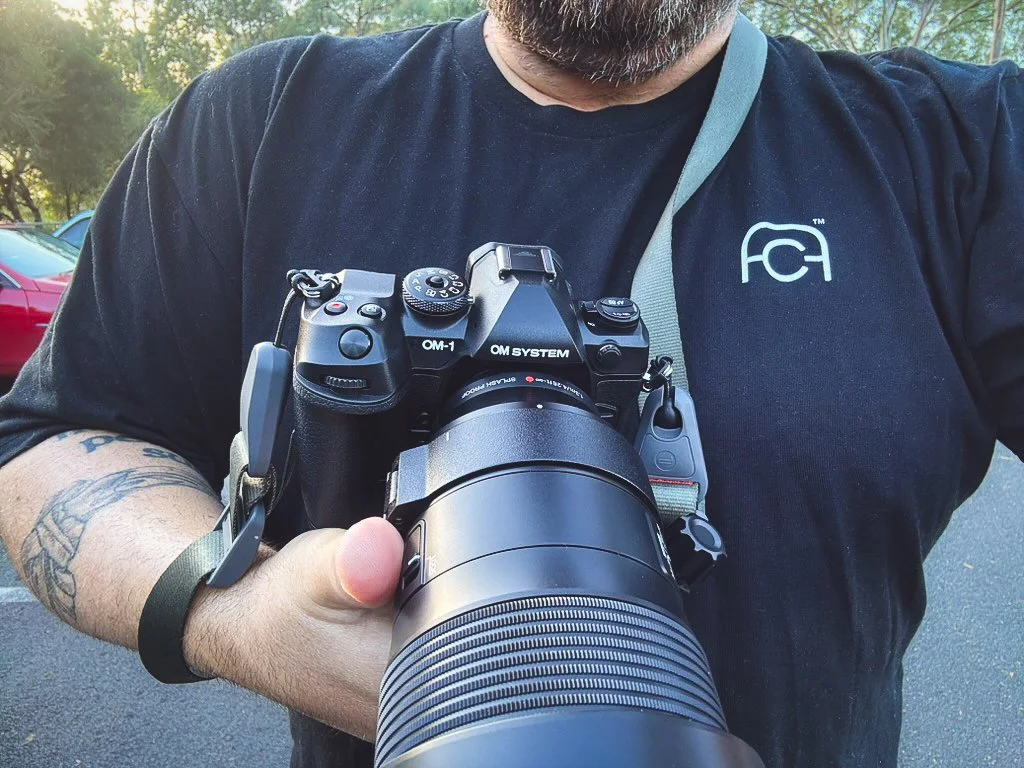
Testing out the OM System OM-1 Mark II with the M.Zuiko 100mm-400mm f/5.0-6.3 IS II lens, shooting birdlife in Brisbane.
My return to dedicated still photography began in 2023, long after buying my first camera and learning the basics for the birth of my first child back in 2011. I’ve always been a natural photographer — it’s simply how I interpret the world — but it hadn’t been my focus for years. My career as a graphic designer and creative director had taken over, leaving little room for the kind of slow, intentional image‑making I’d once loved.
With the unmistakable slap of a mirror, I had found myself neck-deep in a photography obsession. I’d already dusted off my Nikon D7000 and the 18-200mm lens with the intent of shooting landscapes but without the time to explore great vistas, I found myself veering toward wildlife photography instead – specifically birds and other wild animals (water dragons, wallabies, and other urban wildlife).
This new subject matter started creating excitement for the challenge of making images. I remember thinking, “birds are actually the easiest to find, but the hardest to shoot!” A perfect scenario to ignite a new passion.
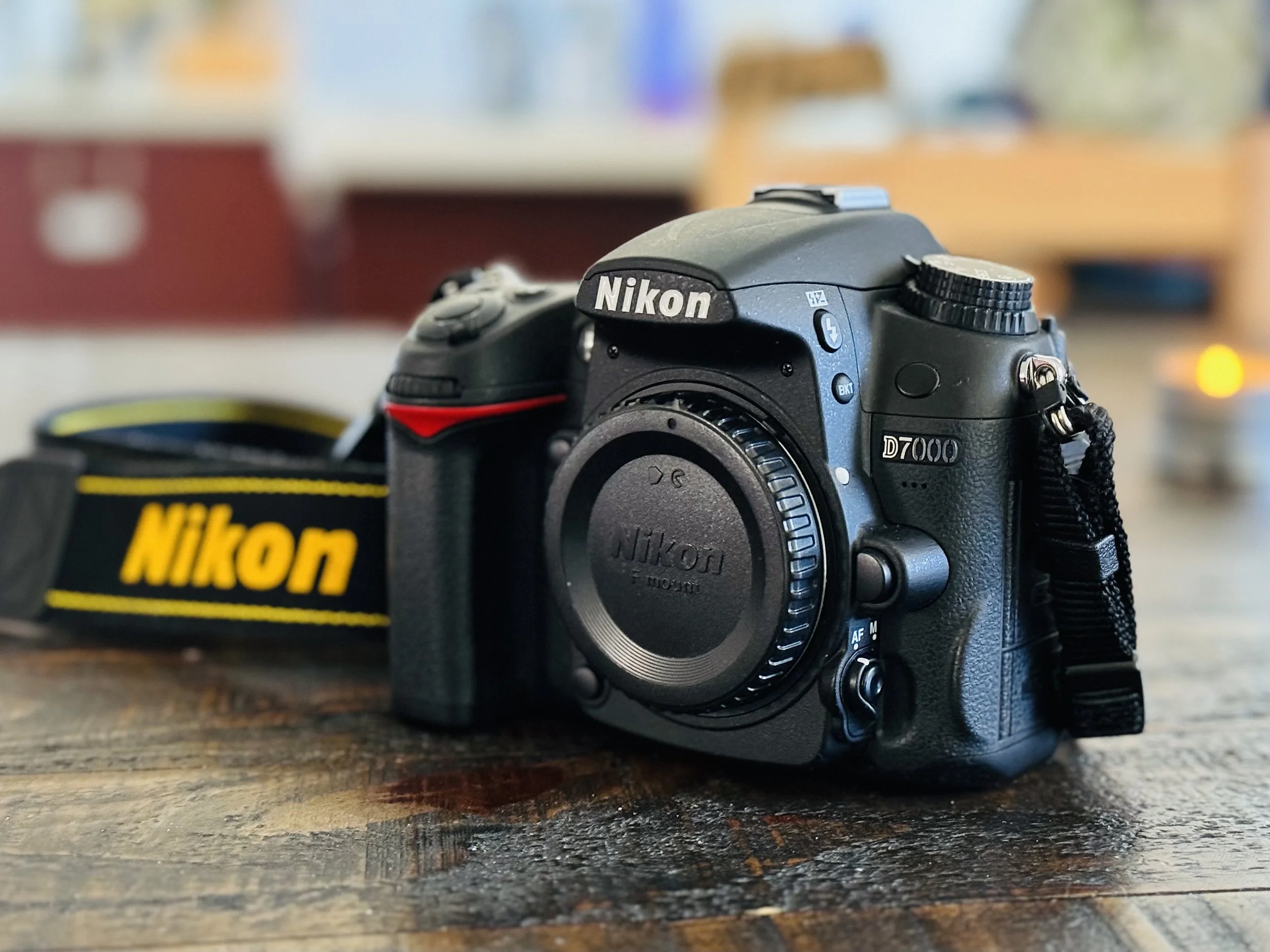
My first DSLR camera – the iconic Nikon D7000.
Where it started
As I meticulously studied the art of wildlife photography, embarking on a self-learning odyssey via websites, books, Youtube… you name it, naturally I started to get good at it, and as my skills began to overtake what my current gear could handle, the GAS (Gear Acquisition Syndrome) kicked in. I started looking for a camera body and lens combo that was suited to high speed/long range photography.
After months of research the Nikon D500 and the Tamron 100-400mm f/4.5-6.3 lens presented as a highly capable and affordable pairing. Now, purchasing this combo outright was not in my budget and thankfully I found a great Australian website called Cameracorp that has a huge range of camera gear you can rent longterm for affordable monthly prices. Great service, and excellent quality used gear. After submitting a quick credit application the two units arrived on my doorstep fast!
Given the D500 is an APSC (crop sensor of 1.5x) body, this gave the Tamron a reach 600mm. It also gave me the opportunity to isolate the subject and get my subject ‘popping’. Shooting 10 frames per second improved my keeper rate ensuring I captured those golden moments. I spent every weekend for a year honing my craft and building a portfolio of wildlife imagery that I’m still proud of to this day. I’ve always had a soft spot for Nikon gear, and it didn’t disappoint in capturing the level of quality I was after.
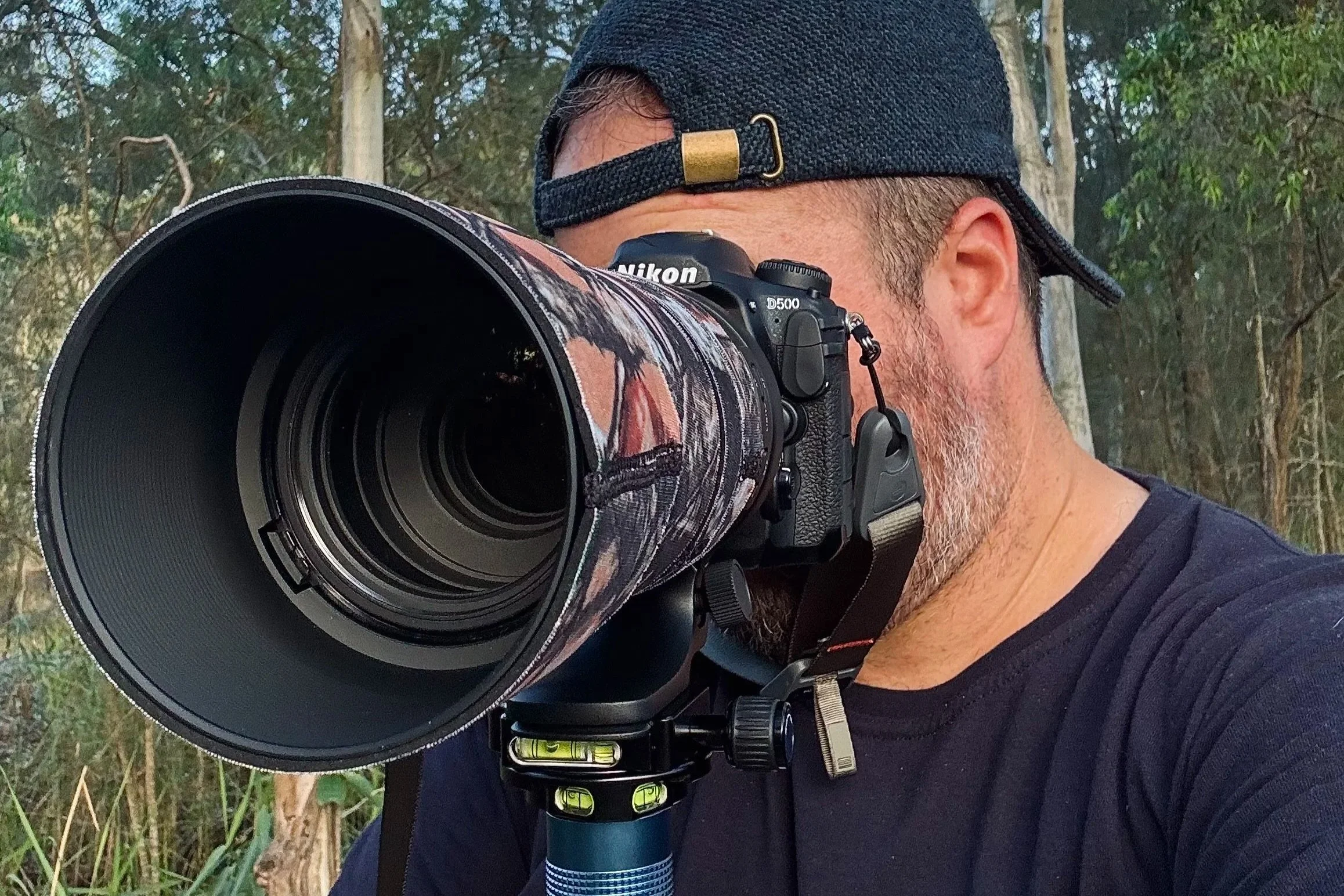
Shooting wildlife with the Nikon kit down at Sandycamp Road Wetlands Reserve.

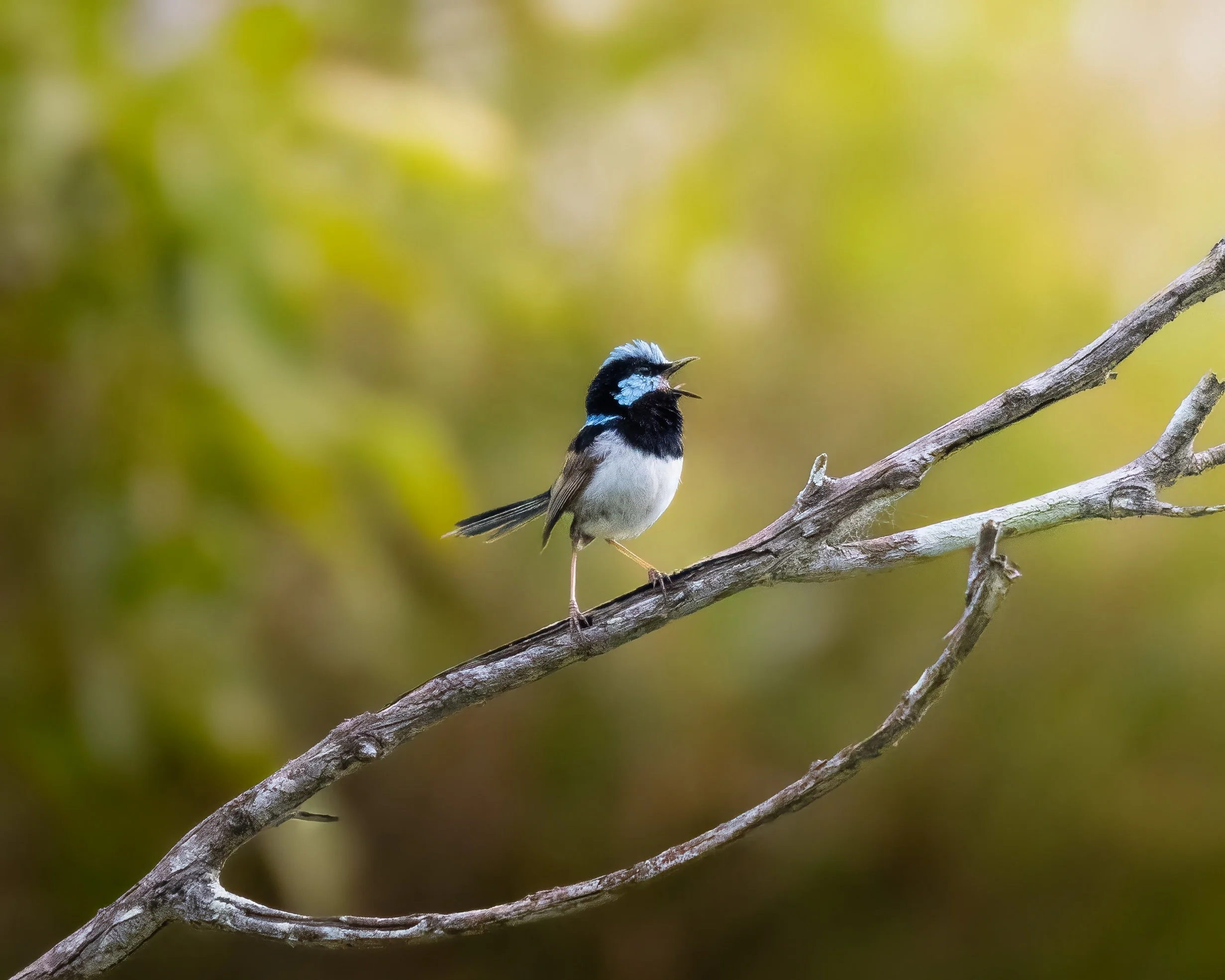
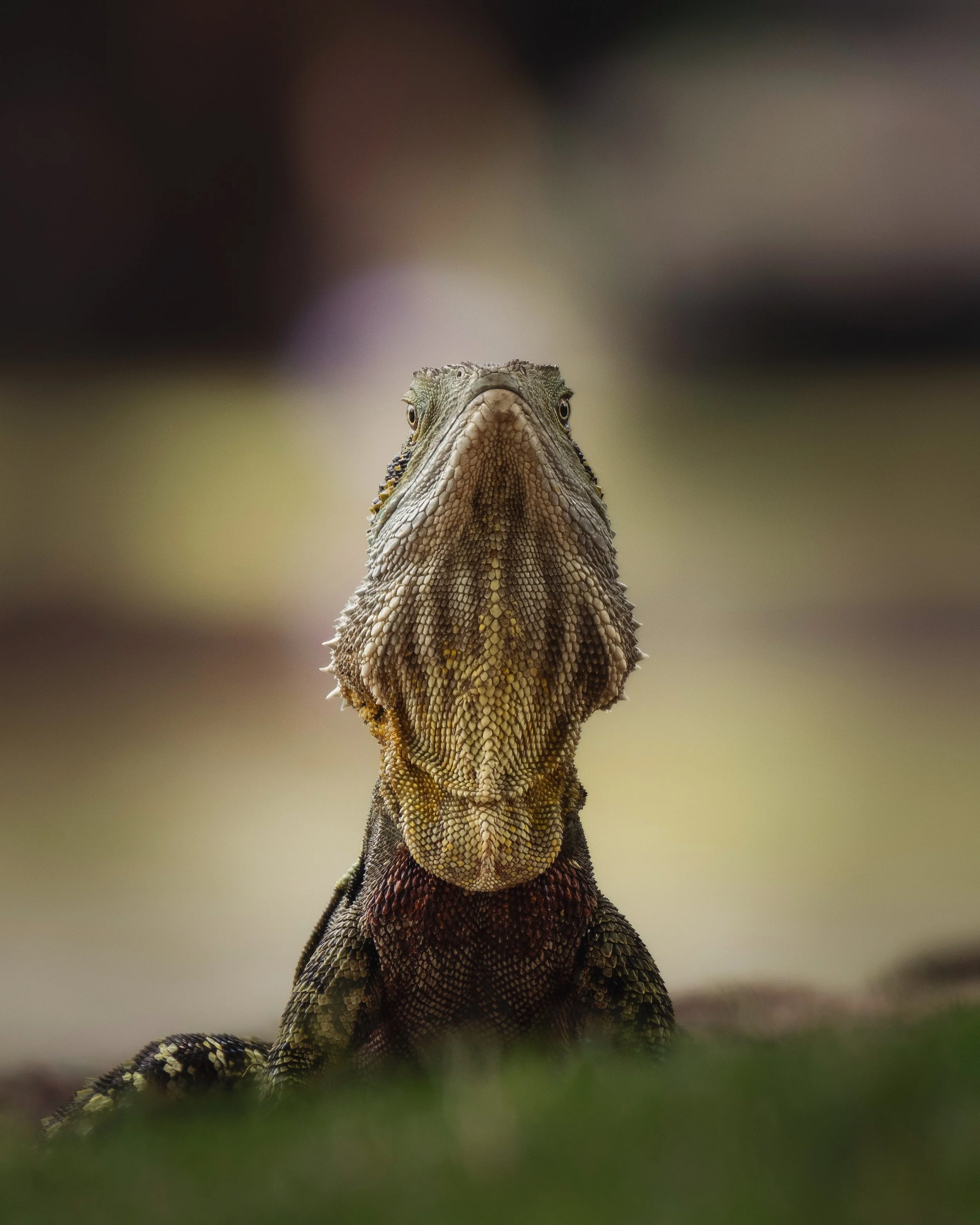
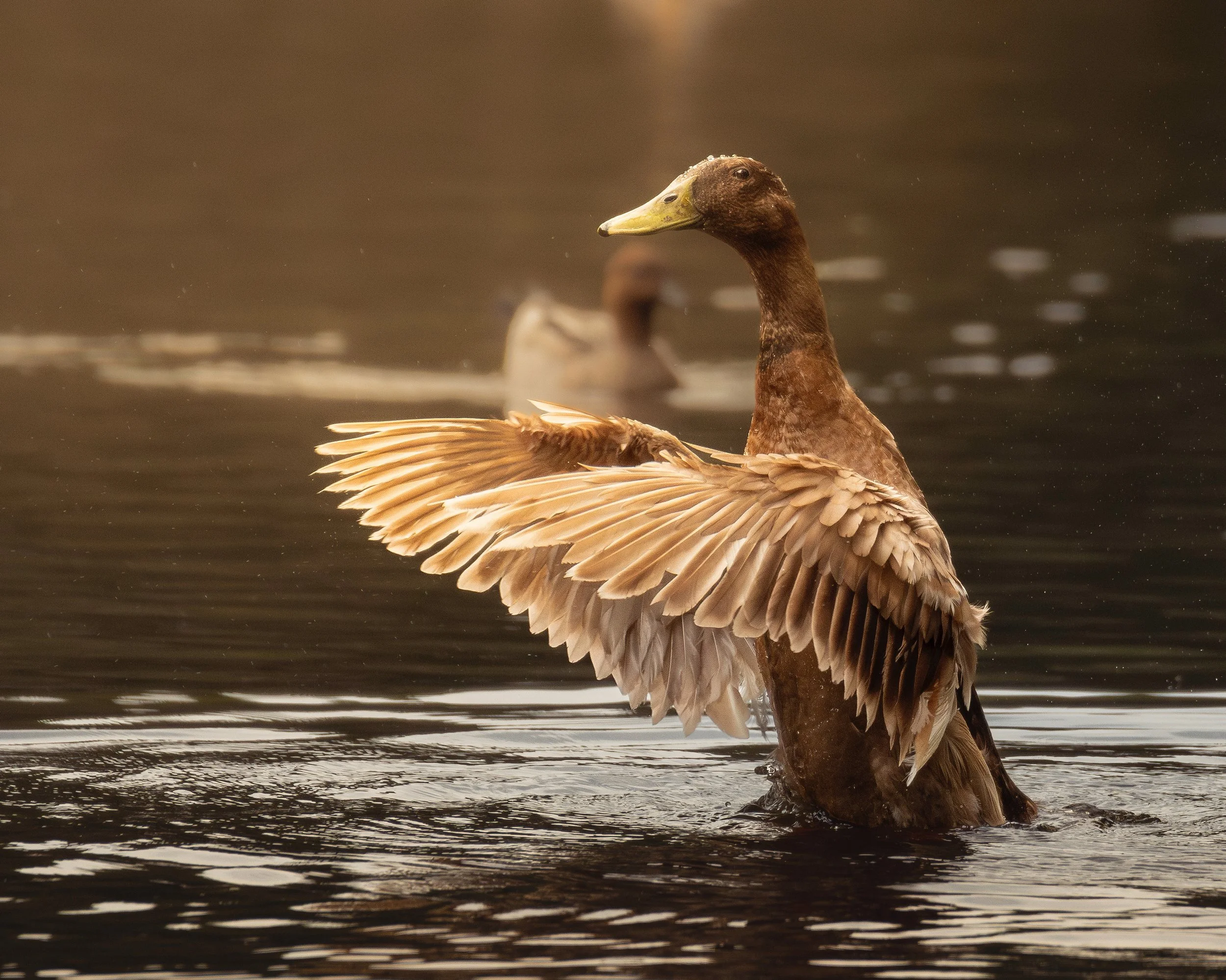
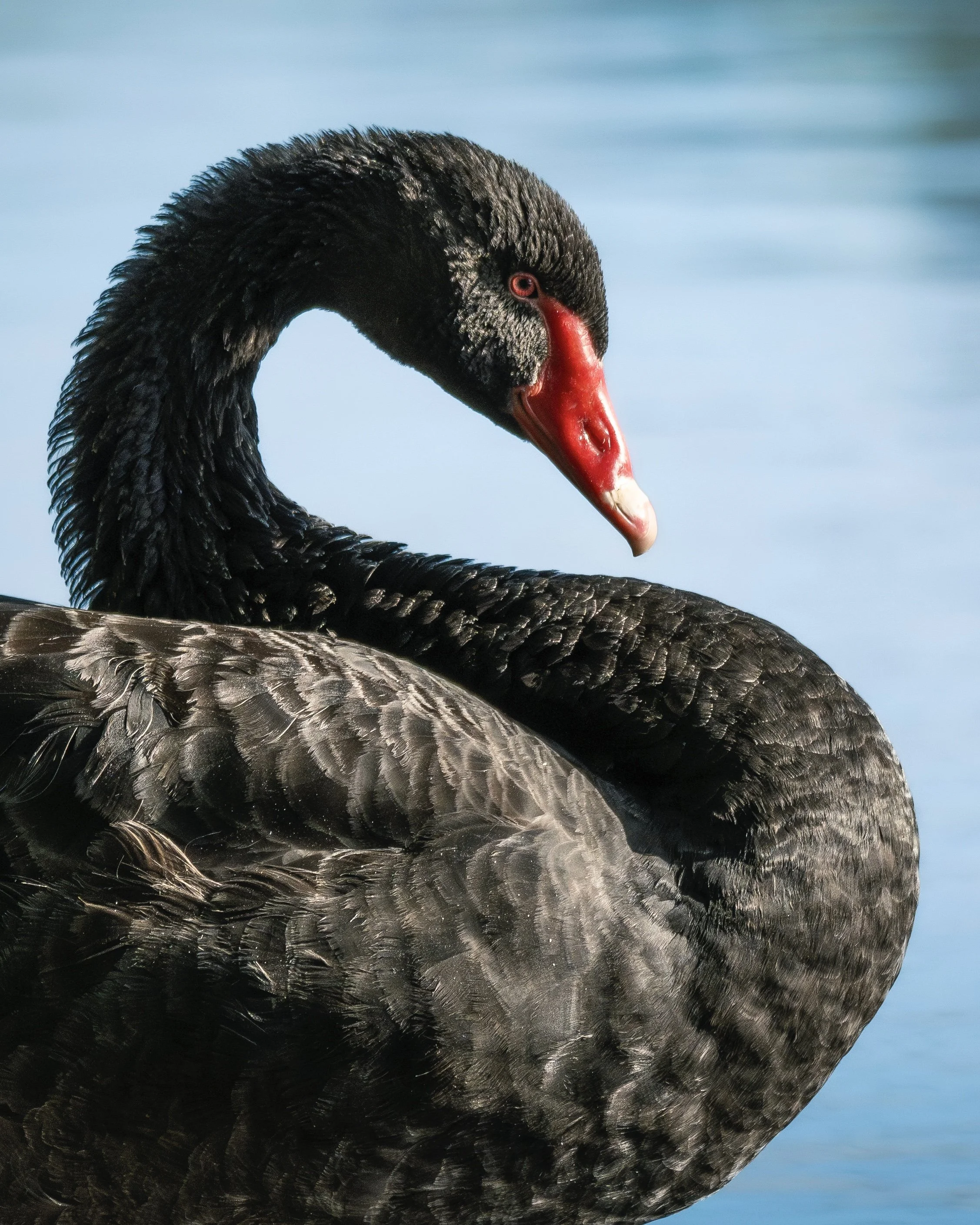
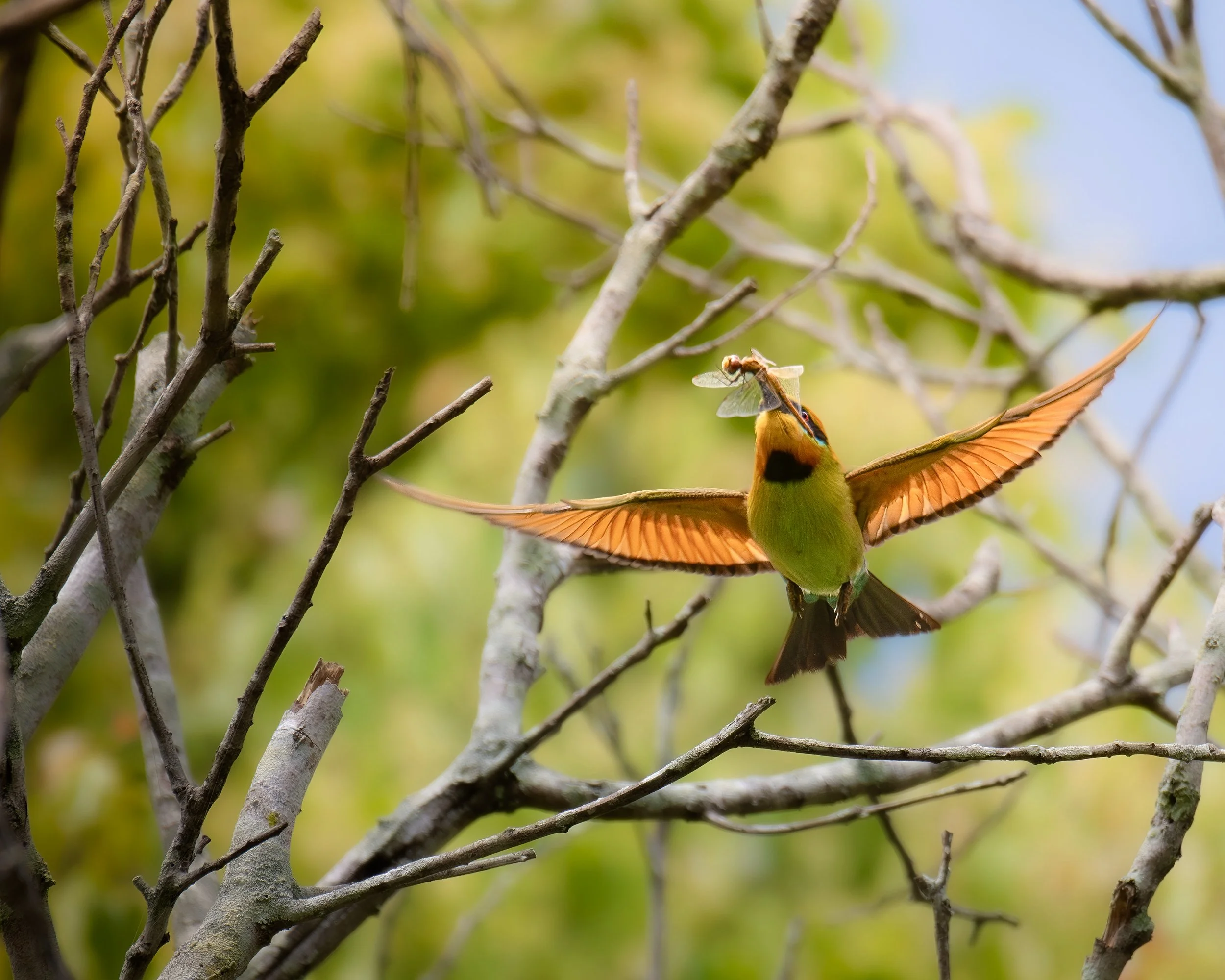
Wildlife images captured with the Nikon D500 and the Tamron 100-400mm f/4.5-6.3 lens.
The only thing I felt difficult to wrangle was capturing high speed images with the correct exposure. I also left a lot of ‘could be/ would be’ images on the table purely because I was still using a DSLR and I know that there was new ‘pre-capture’ technology out there that almost guaranteed you could get moments in between the moments. Now, I still consider DSLRs to be excellent photography equipment but as I started to take wildlife photography more seriously and a burning desire to rekindle sports photography was bubbling away, I started craving the type of ‘pro’ features that come with today’s new technology:
An electronic view finder (EVF) to see exposure live as you’re taking the shot, as opposed to the optical viewfinder (OVF) of a DSLR.
An electronic shutter to push the frame rate up above 20fps, giving me even more chance to get ‘the decisive moment’.
IBIS (In-body image stabilisation) allowing for more flexibility in exposure when pushing for tack-sharp subjects.
Class-leading lenses providing the level of image quality I needed to compete with the best.
Weather sealing that could handle most conditions where you’d still want to be able to shoot outside.
The case for mirrorless
For years, the DSLR reigned supreme. Big sensors, big lenses, big confidence. But as mirrorless technology matured, the logic behind it became harder to ignore. Why cling to a mechanical mirror flapping around inside the body (loud enough to scare a bird) when an electronic viewfinder could show you exactly what your final image would look like before you even pressed the whisper quiet shutter? Why carry a big box when a smaller, lighter one could deliver the same creative control — and be far easier to take everywhere?
My first real taste of that new world came in the form of an Olympus E‑M10. I picked it up second hand for ‘peanuts’ as a dedicated everyday‑carry camera I could toss in a bag without thinking. Using the iPhone had become soulless to me. I actively cringed at the thought of using the smartphone camera for anything other than scanning QR codes and taking pictures of receipts. The little Olympus on the other hand… it turned out to be a gateway drug. Suddenly photography felt spontaneous and creative again. The E‑M10 was small enough to take everywhere, yet capable enough that I never felt like I was compromising. And the mirrorless experience just made sense: silent shooting, real‑time exposure preview, in‑body stabilisation that felt like cheating, and oh‑so‑tiny lenses producing stunningly sharp images.
It didn’t take long before I realised the E‑M10 wasn’t just a sidekick. It was quietly rewriting my expectations of what a camera should be. And once you’ve had a taste of that kind of freedom, going back to a traditional DSLR starts to feel like stepping into the past.
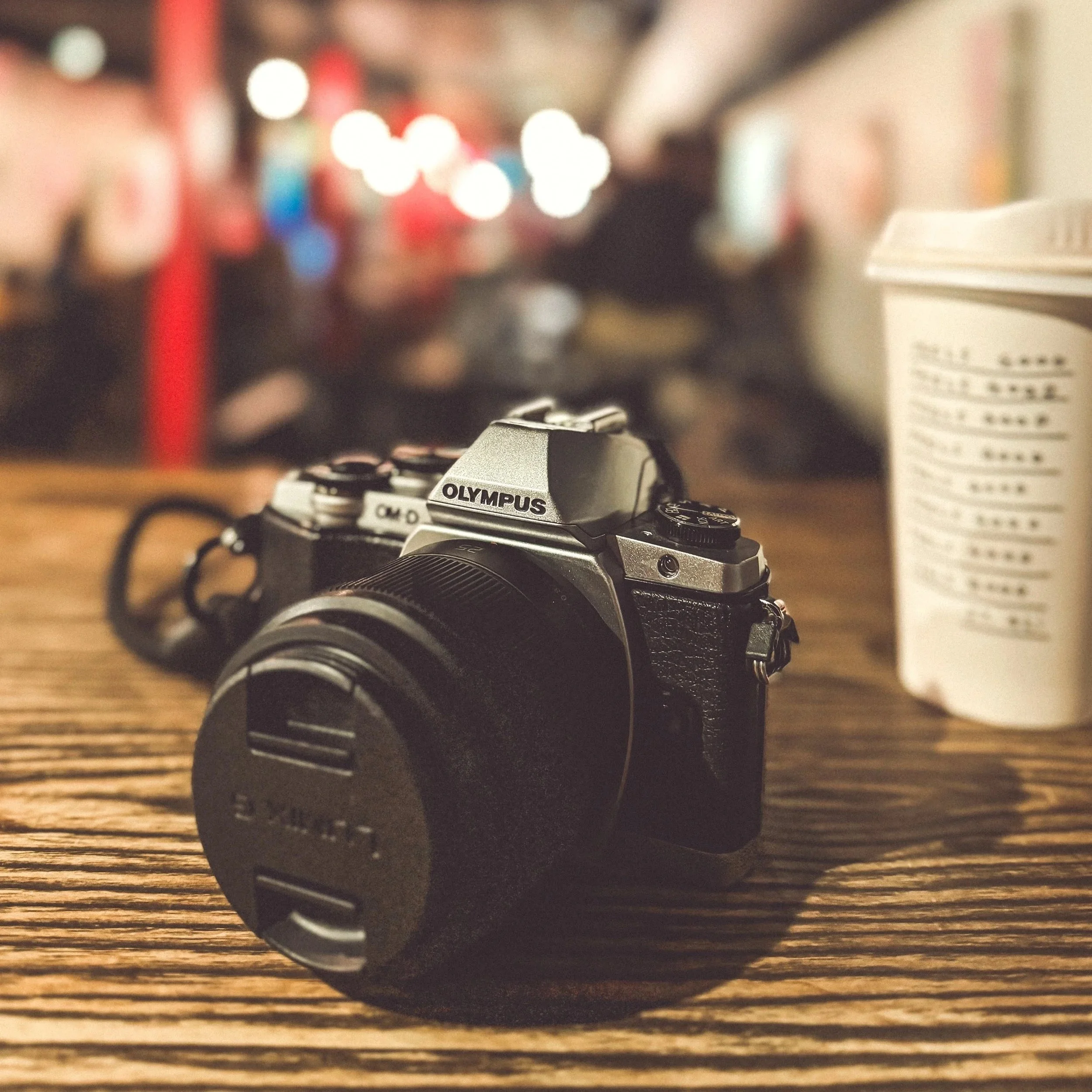
The Olympus OM-D E-M10.
Enter OM System (formerly Olympus) and M.Zuiko lenses
Long before I ever owned an Olympus camera, I respected the brand. They had a reputation for building gear that felt engineered rather than manufactured — solid, purposeful, almost over‑designed in the best way. And their lenses? Sharp, compact, beautifully made. Even from the outside looking in, Olympus always seemed like the company that quietly obsessed over the details other brands treated as afterthoughts.
Before I launched headlong into the system, I took a leap of faith and reached out to OM System Australia and asked if they had any gear I could loan for a short period to test against my current Nikon setup. Ante from OM System got back to me and was kind enough to organise an OM‑1 Mark II, a 100–400mm f/5–6.3, and a 300mm f/4 Pro (which, unfortunately, I didn’t end up testing as much as I should have).
Using the OM-1 and the 100-400 lens (200-800mm full-frame equivalent) for a month was a pleasant surprise — it met my expectations in some areas and exceeded them in most. I knew then, that when it came time to purchase, the switch was on!
So when I finally stepped fully into the Micro Four Thirds world, it felt less like a gamble and more like a long‑overdue introduction. The system had this elegant logic to it: smaller sensors enabling smaller lenses, lighter bodies, and a level of portability that didn’t compromise on capability. For the kind of photography I love — wildlife, street, and sports — that balance was irresistible. The ability to remain mobile and unencumbered by accessories like monopods, in the field for wildlife, or to look like a tourist rather than a pro photographer on the street, was a huge plus.
In wildlife work, the crop factor became a superpower. Suddenly a 300mm lens behaved like a 600mm equivalent without the weight penalty that usually comes with that kind of reach. For street photography, the compact form factor made me invisible in a way a DSLR never could. And for sports, the fast burst rates and nimble handling meant I could react as quickly as the action unfolded.
The more I used the system, the more it felt like Olympus had designed it specifically for photographers like me, people who want to try creative angles, travel light, and still come home with images that make them proud. It wasn’t just a switch in gear; it was a shift in how I approached photography altogether.
Choosing the OM System OM-1 Mark II over the Nikon Z6III
When you start comparing systems on paper, it’s easy to get lost in specs, sensor sizes, and marketing claims. But when you look at value‑for‑money in a real‑world, photographer‑centric way, the differences between the OM‑1 Mark II paired with the 100–400mm f/5–6.3 II and a Nikon Z6III with the 180–600mm become much more meaningful.
The Nikon combo is undeniably strong. The Z6III brings a larger sensor, excellent dynamic range, and Nikon’s modern (much improved) autofocus system. The 180–600mm lens offers serious reach and optical quality at a surprisingly reasonable price for full‑frame glass. But the trade‑offs are hard to ignore: the kit is bigger, heavier (by a full kilogram), and expensive once you factor in the body, lens, and other accessories needed to support that weight. It’s a setup that delivers, but it demands commitment — both physically and financially. Plus, Nikon’s pre‑capture technology only works when shooting JPEGs, not RAW — an immediate dealbreaker for me.
The OM‑1 Mark II package tells a different story. On the surface, it costs less, but the real value comes from how much capability you get for that price. The 100–400mm II effectively becomes a 200–800mm equivalent without ballooning in size or weight. The body itself is packed with computational tools — pre-capture in RAW, Live ND, high res mode, class‑leading in‑body stabilisation, and industry‑leading weather sealing (IP53 — the only system with formal certification) subject detection and excellent auto focus in its own right — all feel like force multipliers rather than gimmicks. And the whole kit is so light and compact that you can carry it all day without thinking twice.
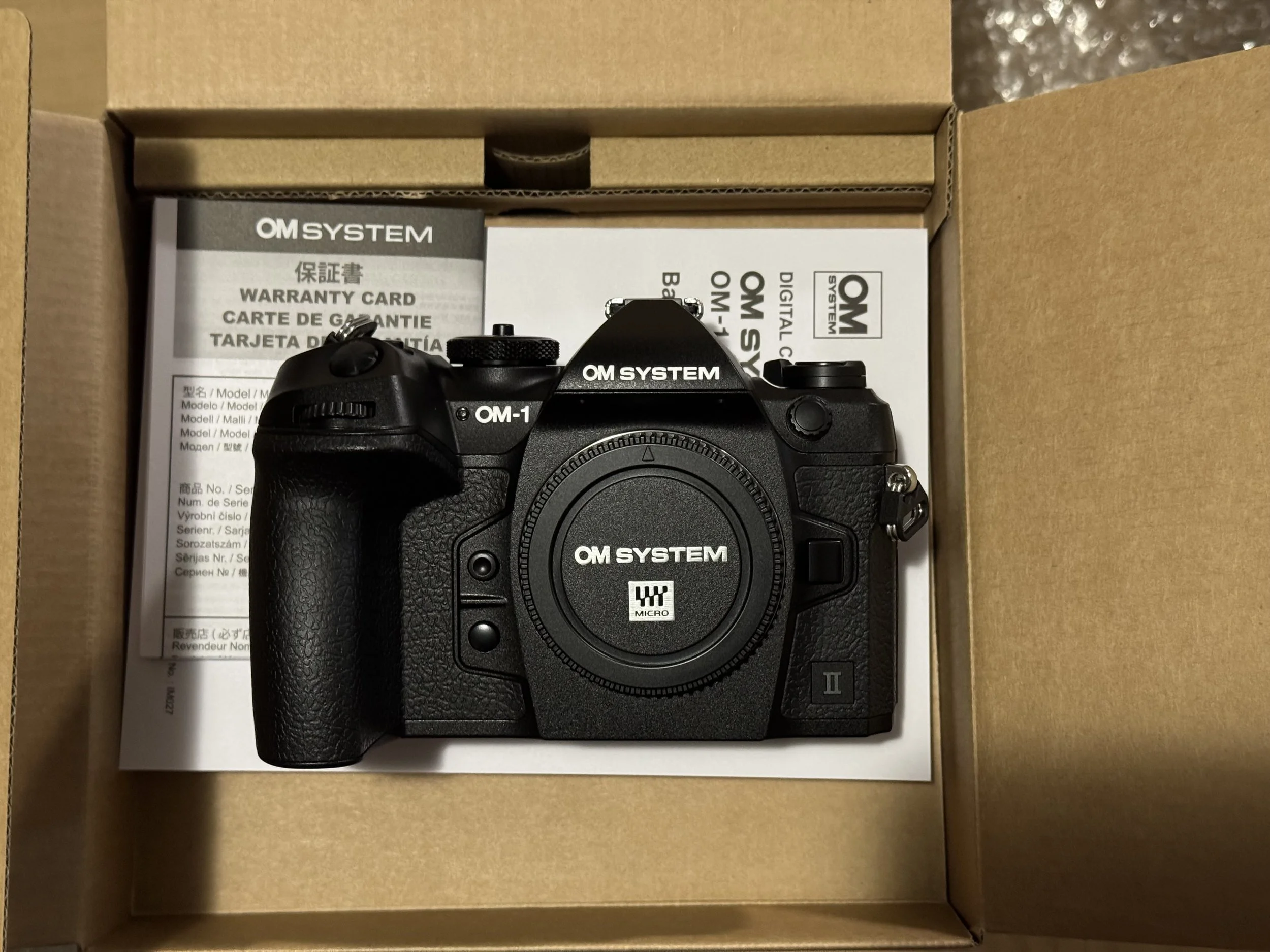
Unboxing the OM System OM-1 Mark II.



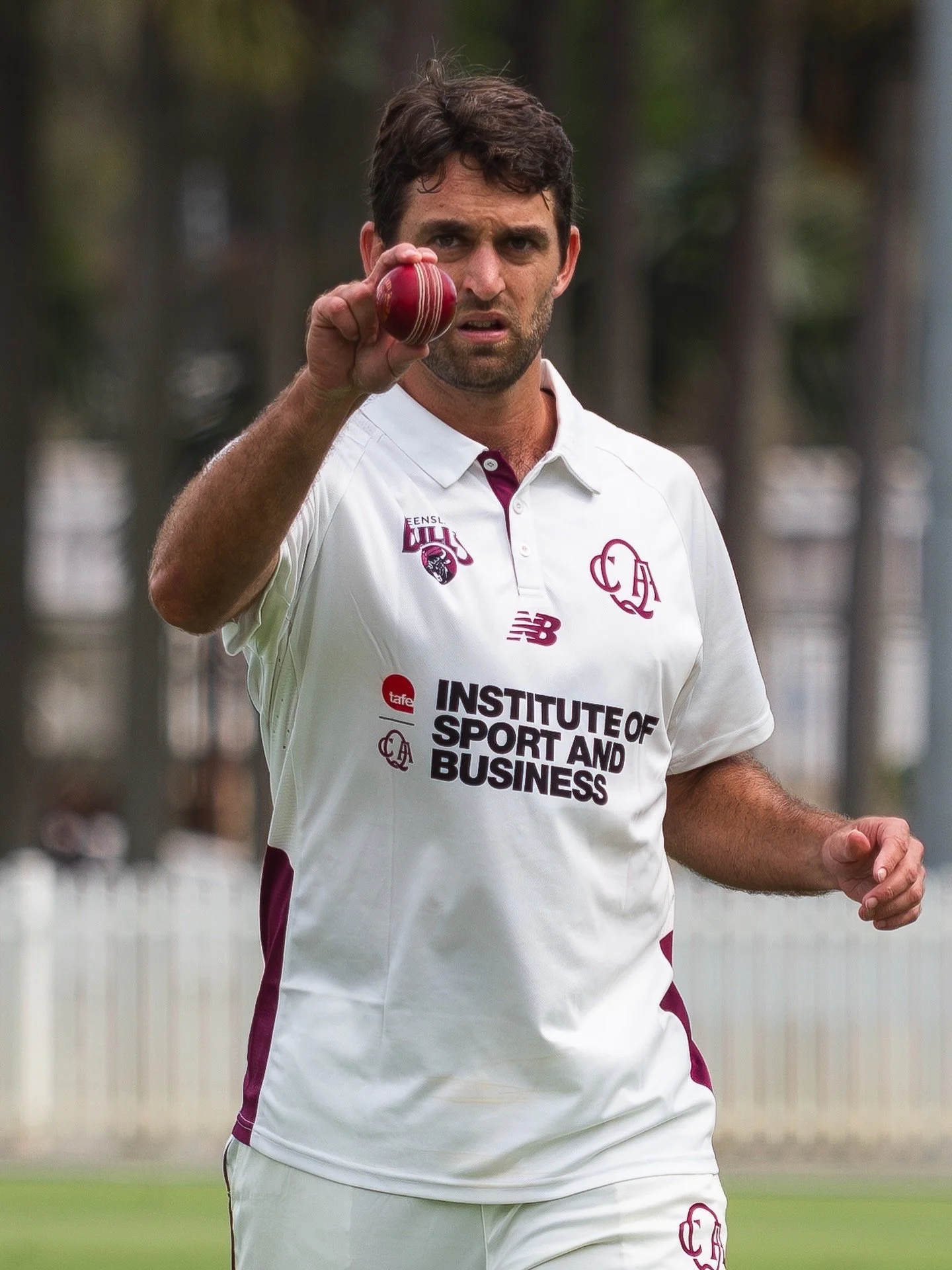


Images captured with OM System OM-1 Mark II and M.Zuiko lenses (100-400 f/5-6.3 IS II and 40-150mm f/2.8 PRO).
In the end, the OM‑1 Mark II offered a more compelling package, not just a better price. It wasn’t about chasing the biggest sensor or the longest lens (although I ended up with the most reach) — it was about choosing a system that matched how you actually shoot. Wildlife, street, and sports all reward mobility, responsiveness, and endurance. The OM‑1 kit gives you all of that without compromise. It’s the kind of setup that encourages you to take it everywhere and get shots you otherwise wouldn’t get, and that alone adds enormous value.
The Nikon system is powerful, no question. But the OM system felt powerful and practical. And when a camera makes you want to get out and shoot more, that’s the kind of value you can’t put a number on.
But enthusiasm alone doesn’t pay for new gear, so I took a closer look at the financial reality.
The financial side
What surprised me was how the cost of building an OM System setup compared. The OM‑1 Mark II and the 100–400mm II lens came in noticeably cheaper than the equivalent Nikon Z6III and 180–600mm combination. But more importantly, the OM System gear offered more of what I actually needed for the way I shoot — reach, portability, and features that expanded my creative options.
Did the switch save money? Not exactly. It wasn’t a bargain‑hunt move. But it also didn’t balloon into an expensive overhaul. Instead, it felt like a redistribution of value: trading bulk and brute force for agility, innovation, and a system that encouraged me to get out and shoot more often. And that, to me, is money well spent.
Was it worth the switch?
Looking back, the switch to OM System feels like one of those decisions that quietly reshapes everything. The biggest gains were obvious almost immediately: lighter gear, longer effective reach, and burst rates that genuinely improved my hit rate in wildlife and sports.
Of course, there are compromises. A smaller sensor means you give up some low‑light performance and depth‑of‑field characteristics that full‑frame shooters love. But it’s nothing that modern denoising technology and an experienced image editor with plenty of tricks up his sleeve couldn’t fix. If you live for ultra‑shallow backgrounds or shoot in dim venues, Nikon still has the edge. And if you’re deeply invested in Nikon glass, switching might not make sense.
But for photographers who prioritise mobility, responsiveness, and versatility — especially those who shoot wildlife, street, or fast‑moving action — the OM system is a revelation. It rewards the kind of photography that happens when you’re unencumbered, curious, and ready for anything.
For me, the switch wasn’t just worth it. It reignited my enthusiasm for photography altogether.
Over to you
I’d love to hear from others who’ve wrestled with a similar decision. Have you switched systems recently, or are you thinking about it? What pushed you toward one brand or another? If you’re weighing specific bodies or lenses, feel free to ask — I’m happy to compare setups or talk through real‑world experiences.
Photography is full of crossroads, and sharing our journeys helps everyone make better, more confident choices. So jump into the comments and tell me your story.